
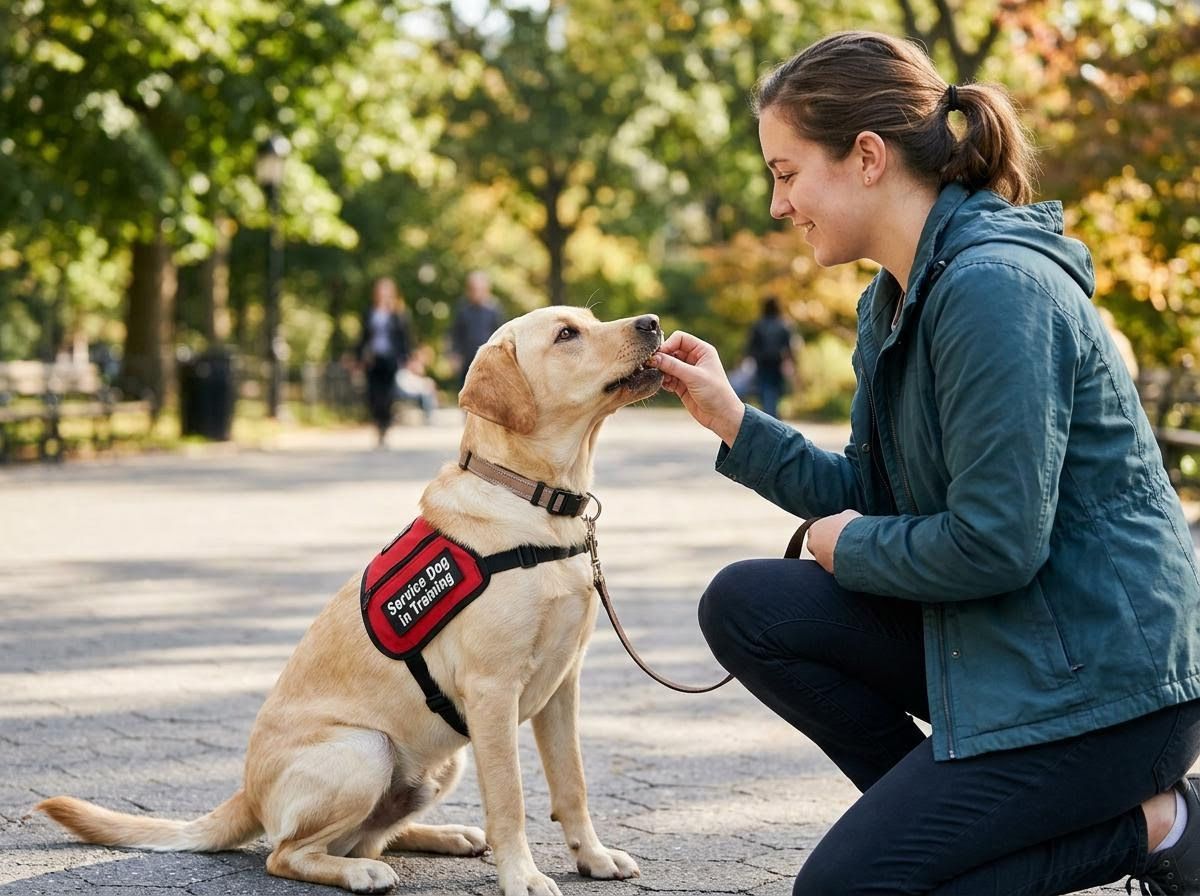
Training a service dog is a profound commitment, laying the groundwork for a partnership that can profoundly change a person's life. At United K9 Academy, we understand that the methodology employed in this vital education is as crucial as the outcome itself. This blog post delves into the pivotal role of positive reinforcement, exploring how this compassionate and highly effective approach shapes a service dog's capabilities, confidence, and unwavering dedication to its human partner.
The Foundation of Trust and Understanding
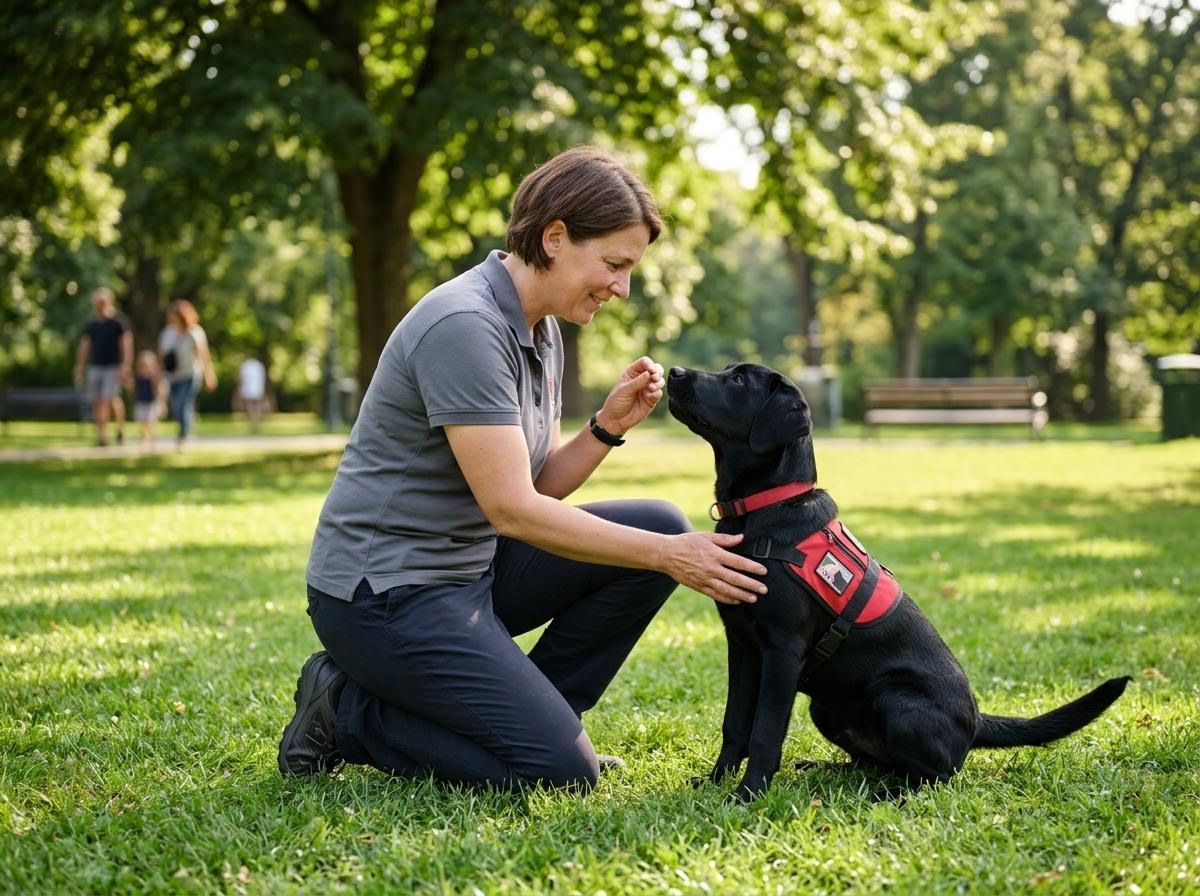
Positive reinforcement in service dog training is far more than just giving treats; it's a comprehensive philosophy centered on rewarding desired behaviors to increase their likelihood of occurring again. This method builds a strong, trusting relationship between the dog and its trainer, and ultimately, its handler. Instead of focusing on correcting mistakes, the emphasis is on clearly communicating what is wanted, making learning a positive experience for the dog. This approach fosters a dog that is eager to work, confident in its actions, and resilient in various environments, crucial traits for any working service animal. It's a foundational element in all effective Texas dog obedience training, regardless of the dog's future role.
Precision and Reliability Through Positive Engagement
For a service dog, precision and reliability are not just desirable traits; they are necessities. Positive reinforcement allows trainers to shape complex behaviors with incredible accuracy. By breaking down tasks into smaller, manageable steps and rewarding each successful approximation, dogs learn intricate sequences without fear or confusion. This technique is particularly vital when teaching tasks that require specific movements, such as retrieving dropped items, opening doors, or providing medical alerts. The dog learns not only what to do but enjoys doing it, leading to a higher rate of consistent and enthusiastic performance, even under distracting conditions.
Cultivating Confidence and a Strong Partnership
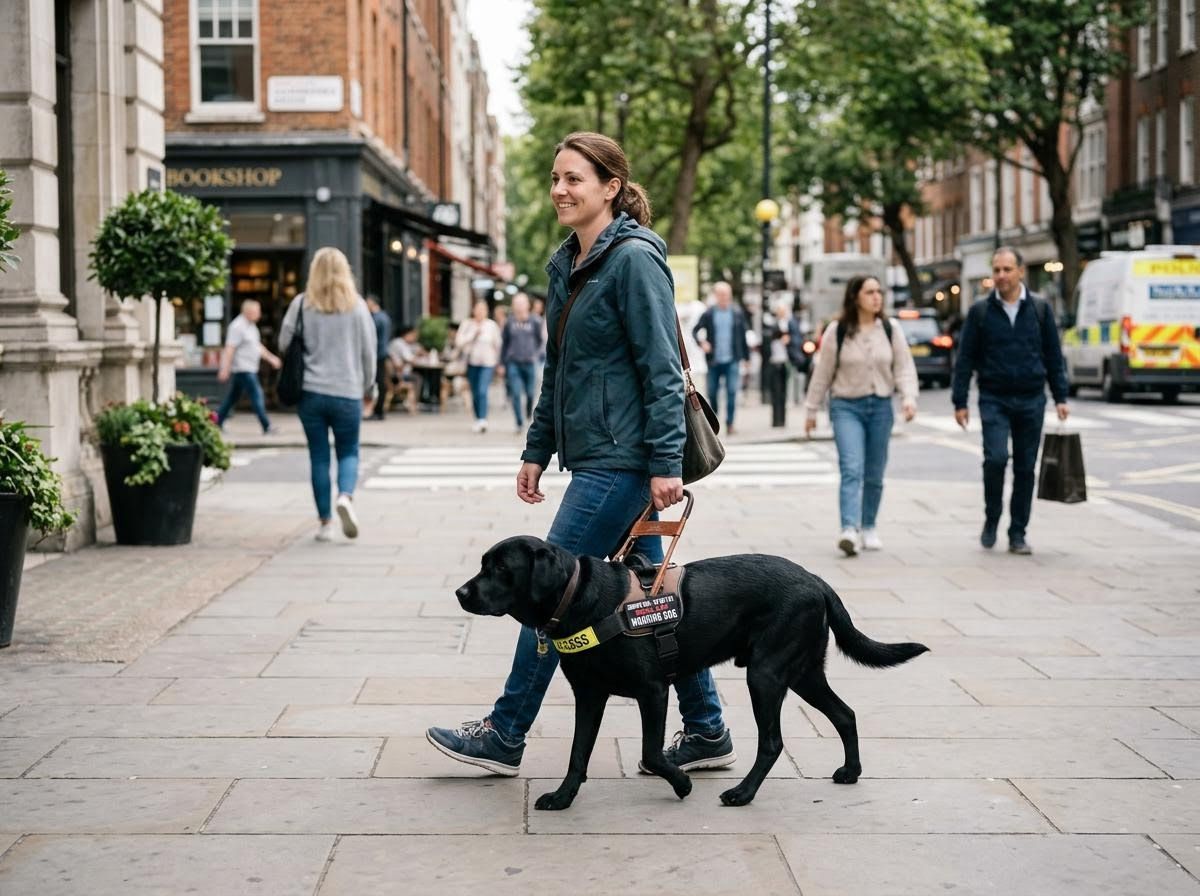
A service dog's job can be demanding, requiring them to navigate public spaces, remain calm in stressful situations, and perform critical tasks reliably. Positive reinforcement plays a key role in building a dog's confidence and resilience. When a dog consistently experiences success and positive feedback for its efforts, it develops a robust self-assurance. This confidence translates into a more stable and adaptable service animal, capable of handling novel situations without anxiety. Moreover, this training style strengthens the bond between the dog and its handler, fostering a partnership built on mutual respect and understanding, rather than coercion.
Applying Positive Reinforcement in Structured Environments
Implementing positive reinforcement effectively requires expertise and consistency, especially when preparing a dog for the rigorous demands of service work. Professional programs, particularly those specializing in Texas dog training, incorporate these principles into every aspect of their curriculum. From initial socialization and basic manners to advanced task training, the focus remains on making learning engaging and rewarding. This holistic approach ensures that service dogs not only master their tasks but also develop into well-adjusted, happy companions. It's about nurturing their innate desire to please and channeling it into a purposeful and life-changing mission.
Investing in a Life-Changing Partnership
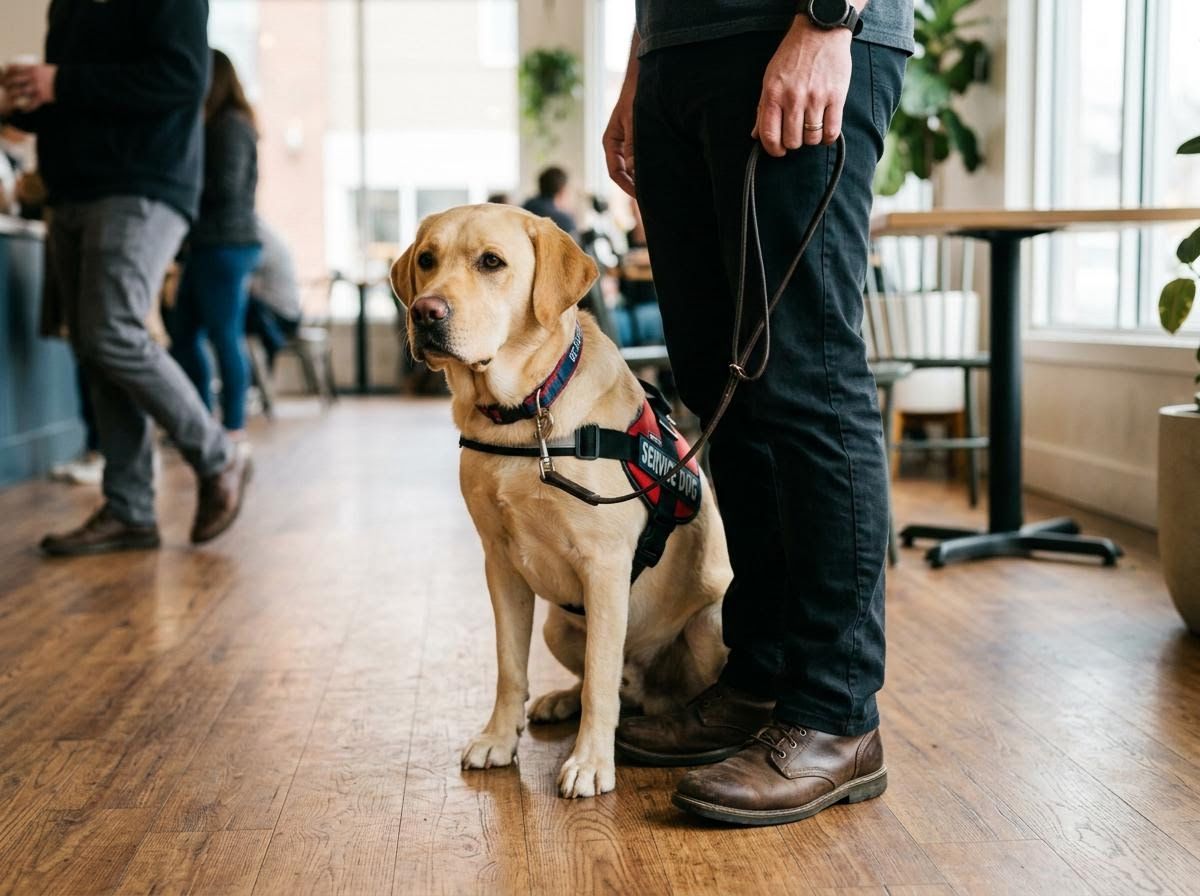
The journey of training a service dog is a testament to dedication and the power of compassionate methods. Positive reinforcement isn't just a training technique; it's a philosophy that empowers dogs to learn, grow, and become truly life-changing partners. By focusing on trust, clear communication, and reward-based learning, we equip these incredible animals with the skills and confidence they need to excel in their vital roles!