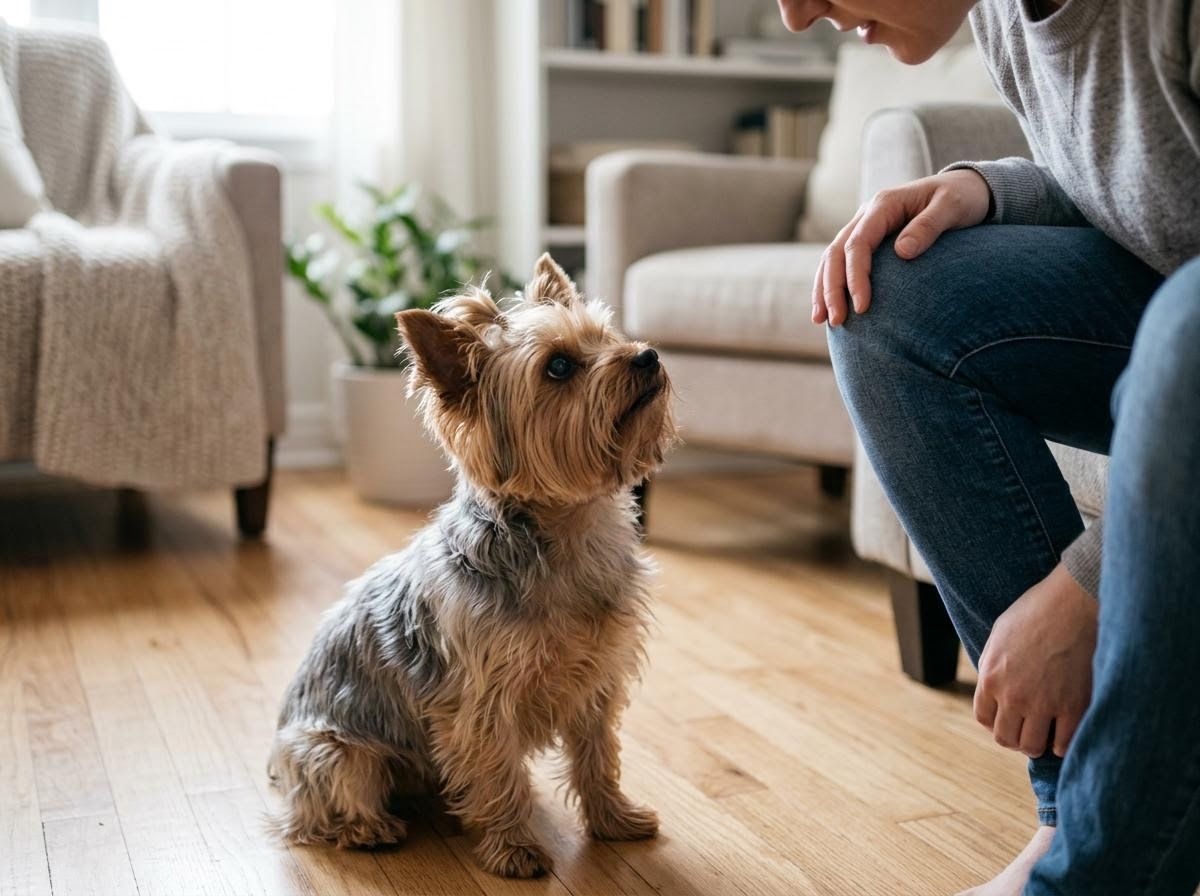
Understanding what your dog is trying to tell you is a cornerstone of building a strong, trusting bond. Just like humans, dogs communicate their feelings, needs, and intentions, but they do so primarily through body language rather than words. At United K9 Academy, we believe that learning to interpret these subtle and not-so-subtle cues is crucial for every dog owner, fostering a deeper connection and preventing misunderstandings that can lead to behavioral issues. Deciphering your canine companion's silent messages allows you to respond effectively, ensuring their comfort, safety, and happiness.
The Foundations of Canine Communication
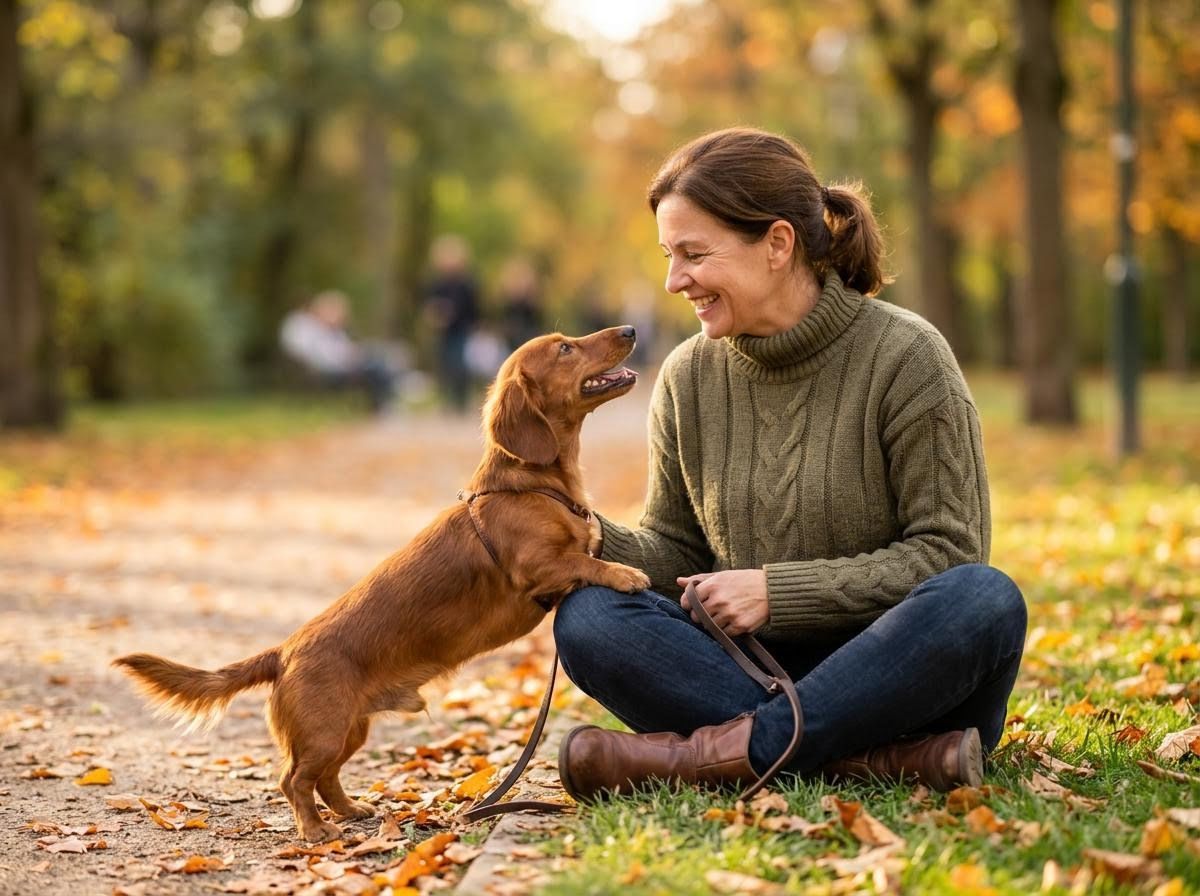
Dogs use their entire bodies to communicate, from the tip of their nose to the end of their tail. Pay close attention to their ears, which can be forward (alert, interested), flattened back (fear, submission), or relaxed (content). Tail wags are not always about happiness; a high, fast wag can signal excitement or even over-arousal, while a low, tucked tail almost always indicates fear or anxiety. Their overall posture speaks volumes: a relaxed stance with loose muscles suggests comfort, whereas a stiff, rigid posture often indicates tension, fear, or a readiness to react. Observing these fundamental signals is your first step in understanding your dog’s inner world.
Decoding Subtle Signals and Stress Cues
Beyond the obvious, dogs display a range of subtle signals that can indicate stress, discomfort, or an attempt to de-escalate a situation. A common one is the "lip lick," often seen when a dog is feeling anxious or unsure, even when no food is present. Another is "yawning" in a context that isn't sleepy, which can also be a sign of stress or an attempt to calm themselves. "Whale eye" occurs when the whites of a dog's eyes are visible, indicating fear or anxiety. Freezing, or becoming suddenly still, can be a warning sign that a dog is uncomfortable and might be preparing to react. Recognizing these nuanced behaviors is vital for proactive intervention and ensuring your dog feels safe and understood.
The Importance of Context and Comprehensive Training
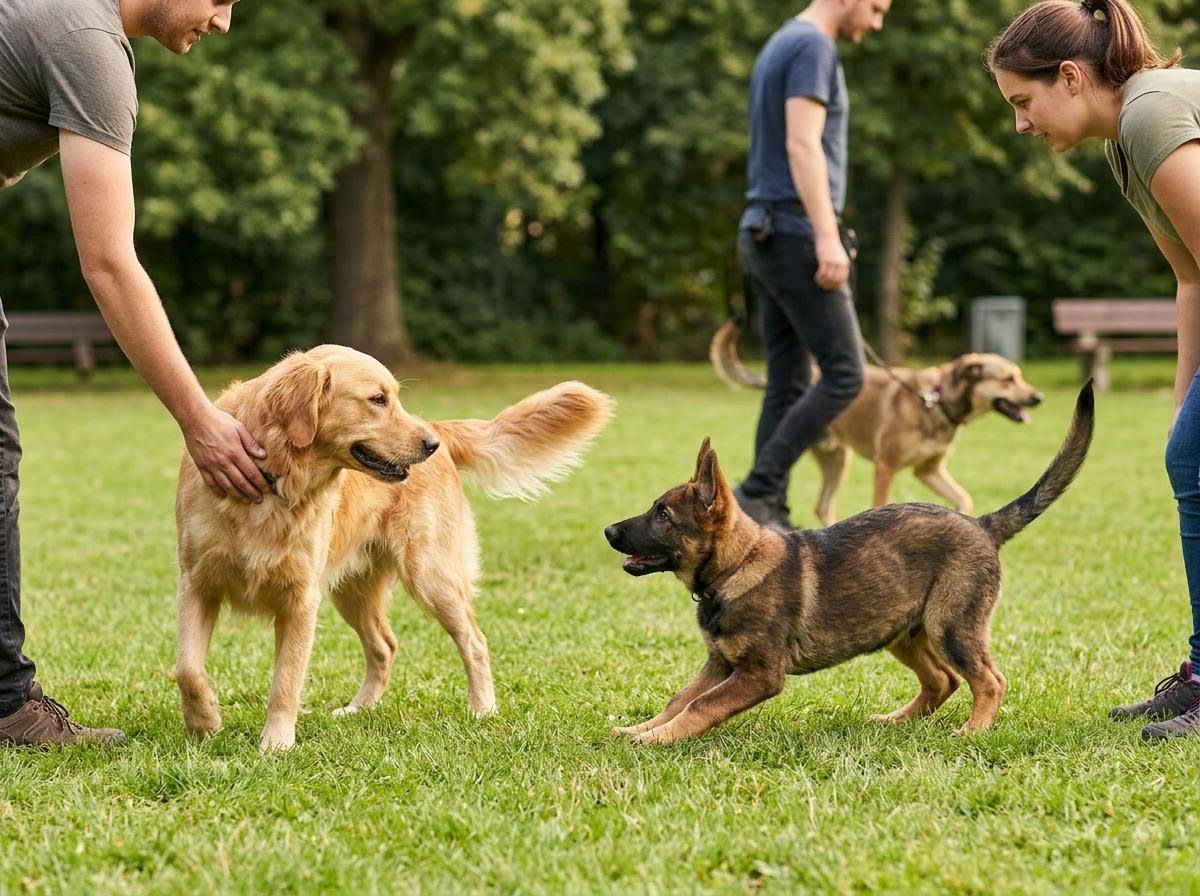
Interpreting dog body language is not about isolating one signal; it's about observing the entire picture in context. A yawn might just mean your dog is tired, but a yawn combined with a tucked tail and whale eye in a new environment tells a different story. Understanding these complex layers of communication is where expert guidance truly shines. Whether through comprehensive dog obedience training, engaging in group dog training sessions where you can observe interactions, or opting for personalized private dog training, professional assistance can significantly enhance your ability to read your dog.
Building a Harmonious Life Together
Mastering the art of understanding your dog's body language is an ongoing journey that strengthens your bond and enriches your shared life. If you're looking to deepen your understanding and enhance your dog's communication skills, United K9 Academy invites you to explore our various training programs and resources!