

Destructive chewing can be a frustrating and costly behavior for any dog owner. While it's a natural canine instinct, when it targets your furniture or belongings, it becomes a problem that needs compassionate and effective solutions. Understanding the root causes and implementing proactive strategies is key to a harmonious home. At United K9 Academy, we believe every dog can learn appropriate chewing habits, transforming your furry friend into a well-behaved companion. Let's explore practical tips to redirect this instinct positively!
Understanding the Root Causes of Chewing
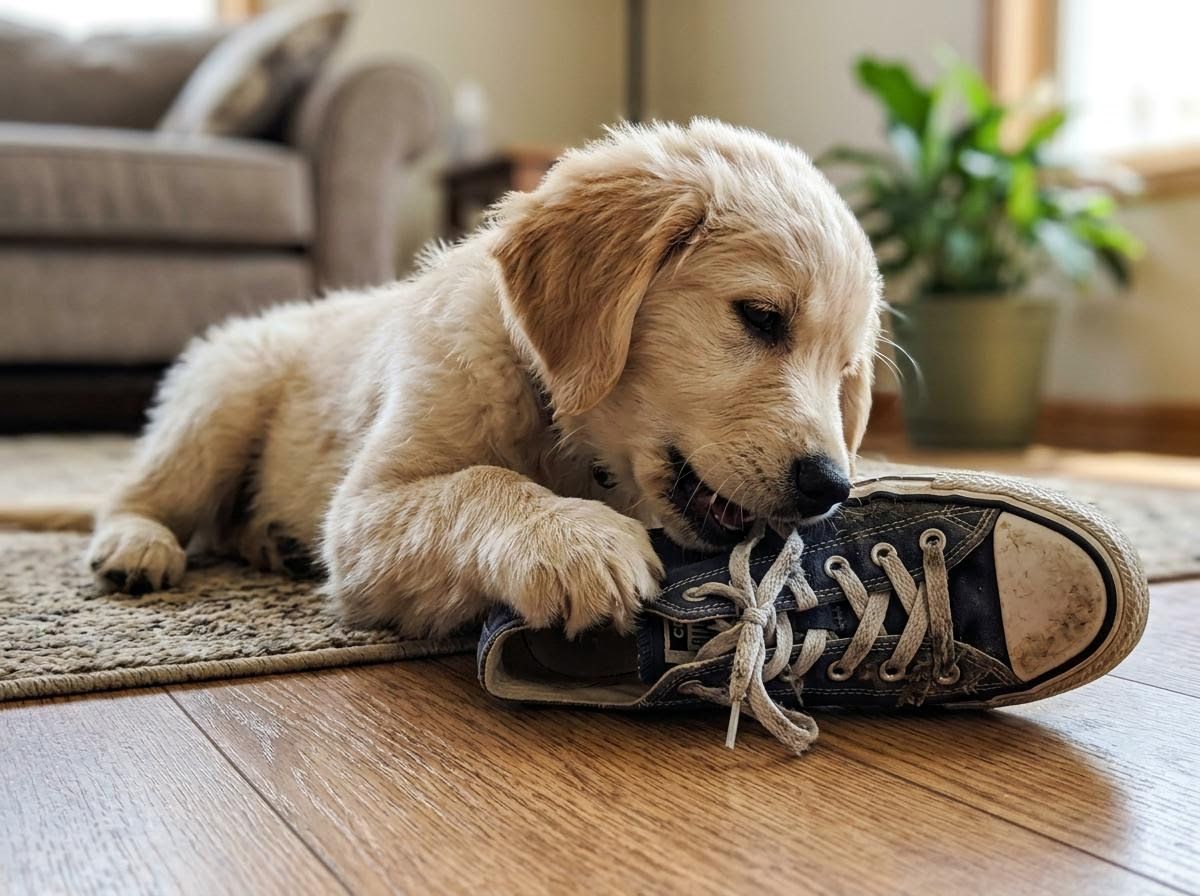
Before you can effectively address destructive chewing, it's crucial to understand why your dog is doing it. Puppies often chew due to teething, exploring their world with their mouths, and to relieve discomfort. Adult dogs might chew out of boredom, anxiety (especially separation anxiety), stress, or simply for entertainment. Sometimes, it’s a learned behavior from not being provided with appropriate outlets. Identifying the underlying reason helps tailor the most effective prevention strategy, whether it’s increasing exercise, providing mental stimulation, or addressing deeper behavioral issues through specialized dog obedience training.
Equip Your Dog with Approved Chewing Options
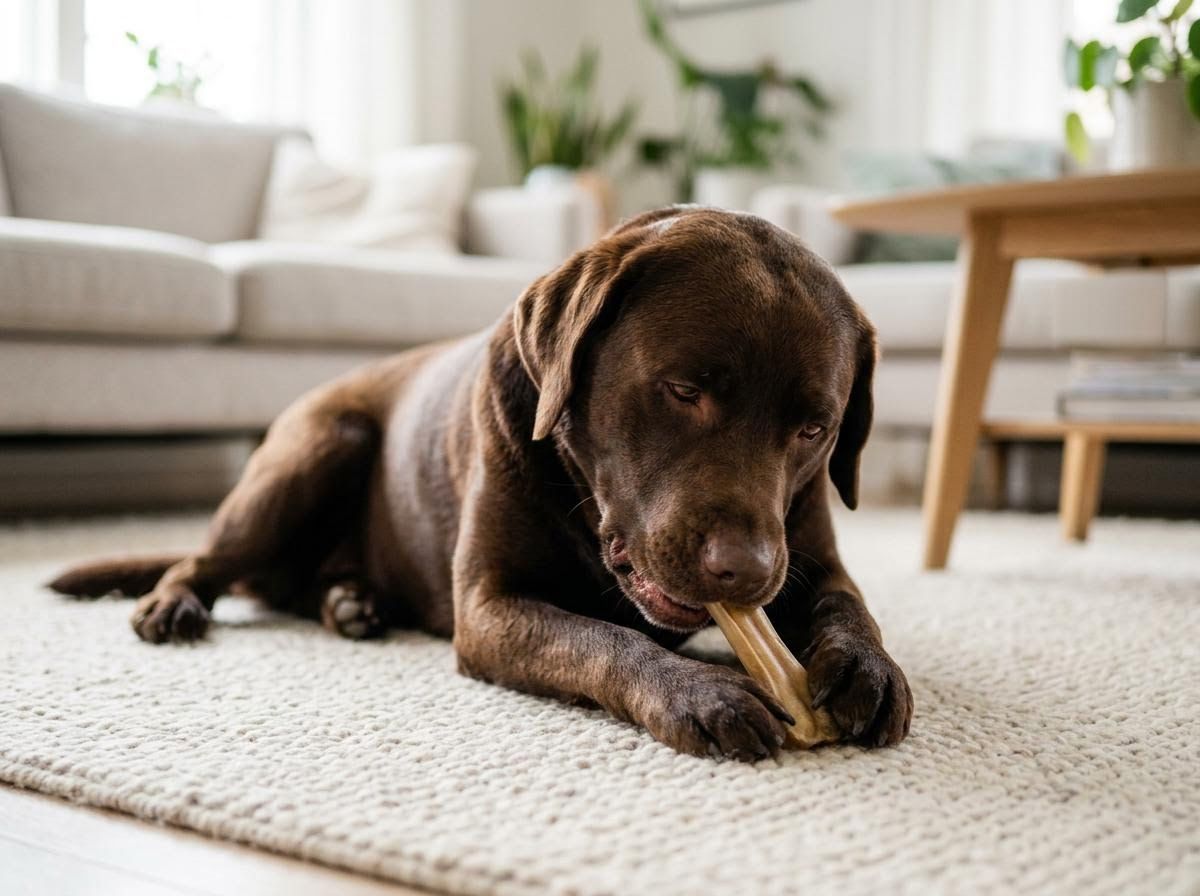
One of the most straightforward ways to prevent destructive chewing is to offer appealing alternatives. Ensure your dog has a variety of safe, durable chew toys that are appropriate for their size and chewing style. Rotate these toys regularly to keep them interesting and engaging. Puzzle toys that dispense treats can provide excellent mental stimulation, turning chewing into a rewarding activity. Consider offering edible chews designed for longevity, always under supervision. This strategy is foundational to teaching your dog what is and isn't acceptable to chew.
Smart Management and Consistent Supervision
Preventing access to forbidden items is vital, especially when you can't directly supervise. Crating can be an invaluable tool for puppies and dogs prone to destructive behavior when left alone, offering a safe, confined space. When you are home, actively supervise your dog, redirecting them with a suitable toy the moment they show interest in chewing something inappropriate. Consistency is paramount. For dogs with more ingrained destructive habits, more intensive support like a board and train program can offer a structured environment where these behaviors are consistently managed and corrected by experts.
Overcoming destructive chewing requires patience, understanding, and a consistent approach. By identifying the cause, providing suitable outlets, implementing smart management, and engaging in positive training, you can guide your canine companion towards more constructive behaviors. Remember, a well-behaved dog is a happy dog, and a happy dog means a harmonious home!