
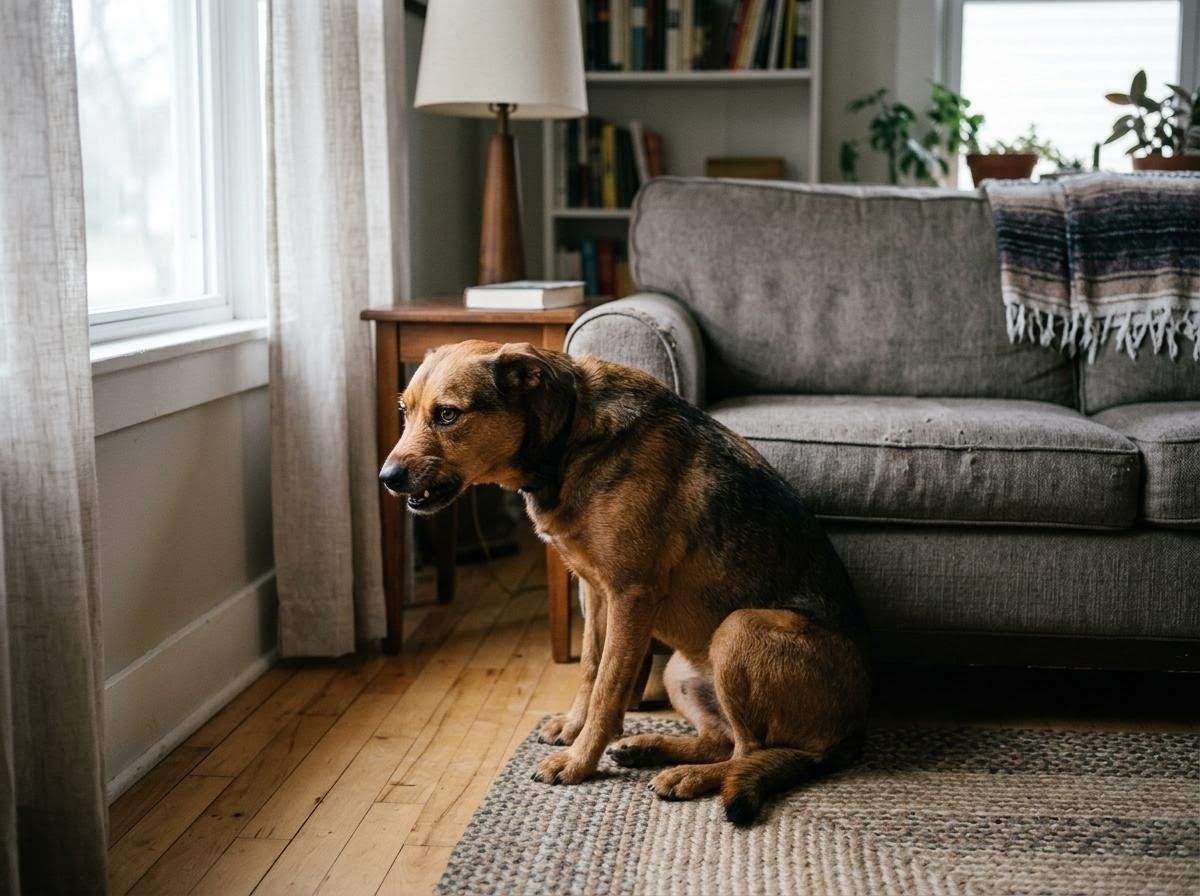
Watching your beloved canine companion suffer from separation anxiety can be heartbreaking. The destructive chewing, incessant barking, or house-soiling that occurs when you're away isn't a sign of naughtiness, but rather a cry for help from a dog experiencing genuine distress. At United K9 Academy, we understand the deep bond you share with your pet and are dedicated to providing the expertise and guidance needed to navigate this challenging behavior, helping both you and your dog find peace. Explore a few practical, compassionate steps you can take to alleviate your dog's anxiety and foster a more confident, independent companion!
Understanding Separation Anxiety: More Than Just "Missing You"
Separation anxiety is a complex behavioral issue where dogs exhibit extreme distress when left alone or separated from their primary attachment figure. It's often triggered by a sudden change in routine, a traumatic event, or even simply the dog's inherent predisposition. Common signs include excessive vocalization (howling, barking), destructive behavior (chewing furniture, doors), inappropriate urination or defecation, pacing, and attempting to escape. Recognizing these symptoms early is crucial. Your dog isn't acting out of spite; they are genuinely panicking, and understanding this underlying emotional state is the first step toward effective intervention.
Building Confidence Through Gradual Independence
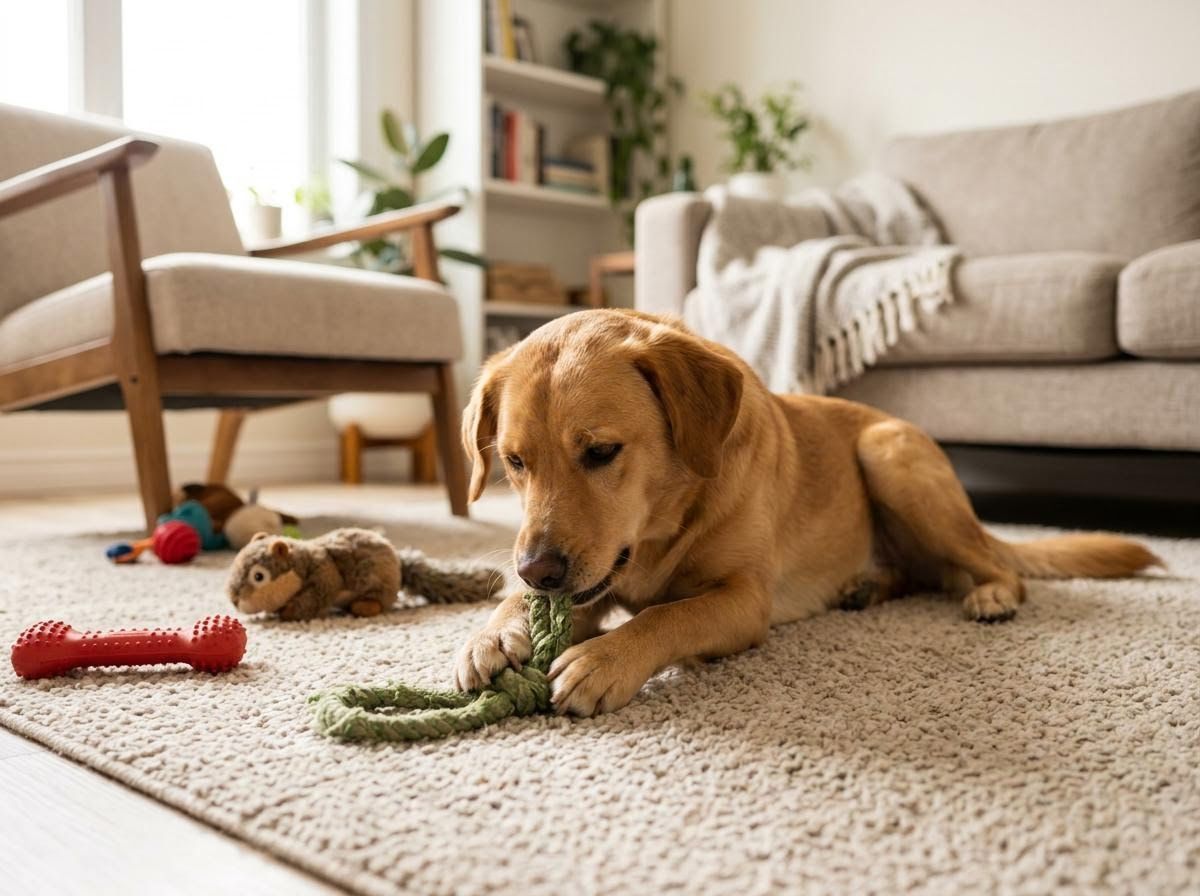
To address separation anxiety, we must help our dogs build self-confidence and a sense of security when alone. Start by making your departures and arrivals low-key; avoid elaborate goodbyes or excited greetings, as these can heighten anxiety. Implement short, mock departures where you leave for just a few seconds and return before your dog shows signs of stress, gradually increasing the duration. Crate training, if introduced positively, can also provide a safe den for your dog, helping them feel secure during your absence. Enrichment toys, like puzzle feeders, can distract and engage your dog, associating your departure with something positive. Consistency and patience are key in desensitizing your dog to the cues that typically precede your leaving.
Training for a Calm Canine
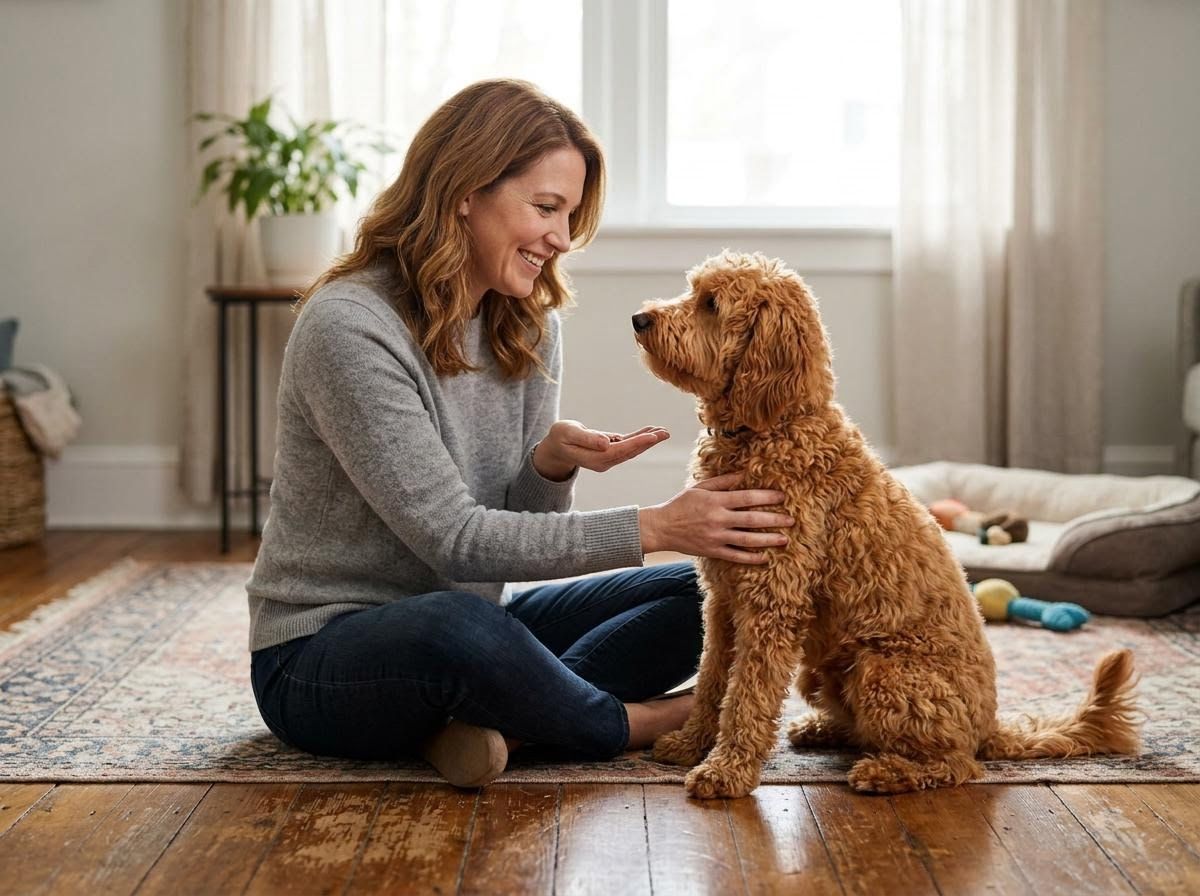
Effective dog obedience training forms the cornerstone of managing separation anxiety. A well-trained dog understands boundaries and expectations, which can significantly reduce overall stress. Consider exploring options like private dog training for personalized, one-on-one sessions that directly target your dog's specific anxieties. For more severe cases, a structured board and train program can offer an intensive environment where professional trainers can work consistently on behavioral modification. For local dog owners, finding reputable Texas dog training facilities that specialize in behavioral issues is a critical step.
Successfully addressing separation anxiety requires dedication, compassion, and a strategic approach, but the relief and well-being of your canine companion are undoubtedly worth the effort. If you're seeking expert guidance and tailored solutions to help your dog overcome separation anxiety, explore the comprehensive training programs offered by United K9 Academy!