
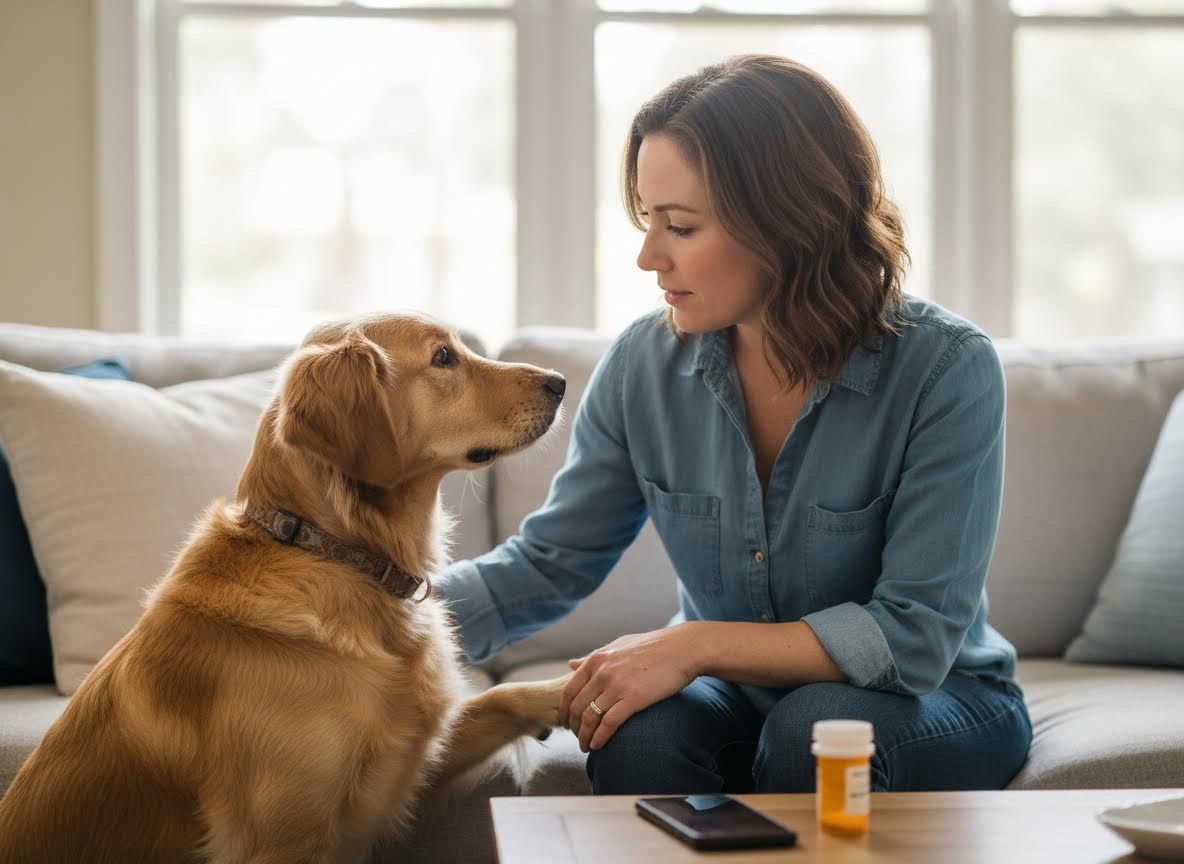
Becoming an owner of a medical alert dog is a profound journey, requiring dedication and specific skills to ensure your canine partner can perform their life-saving duties effectively. At United K9 Academy, we understand the incredible bond and responsibility involved in this specialized partnership. This post will explore the essential skills owners need to master, transforming their beloved companion into a highly capable medical alert dog. It's about empowering owners to guide their dogs with confidence and compassion, fostering a truly unbreakable team.
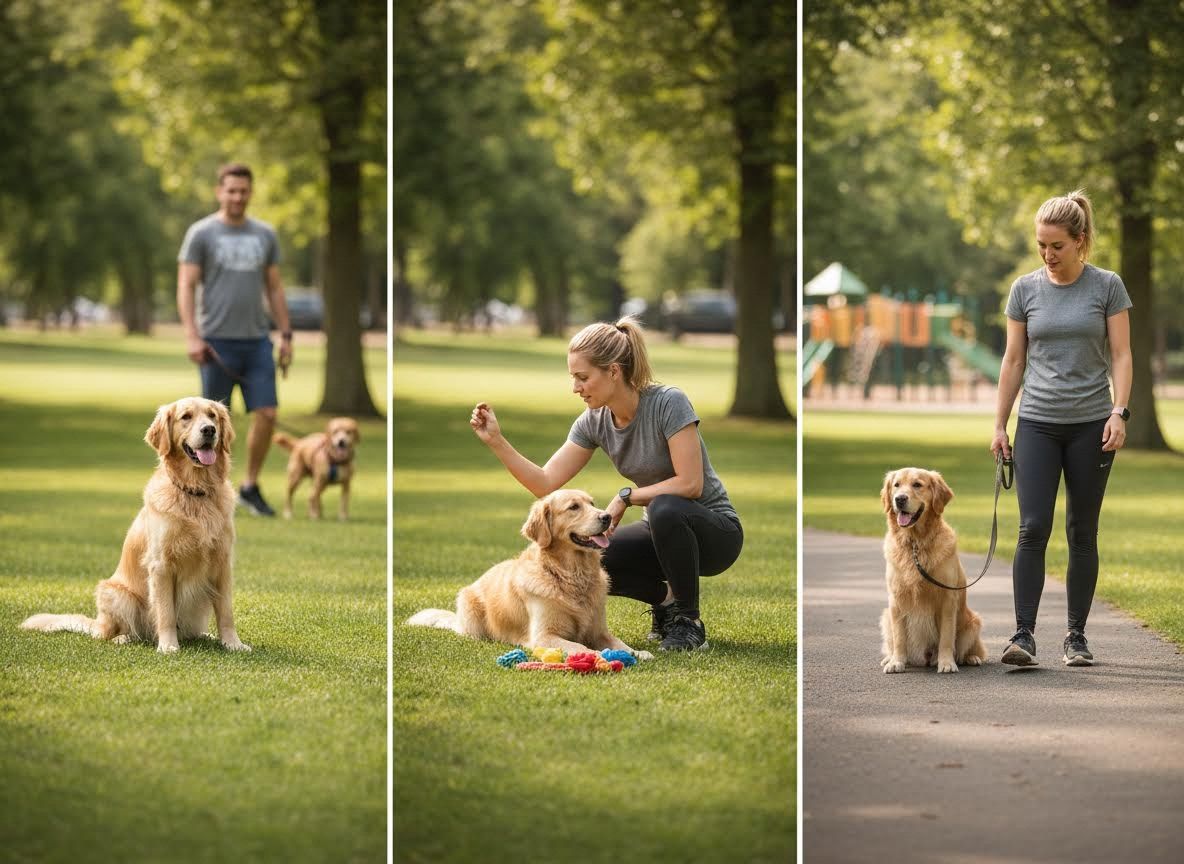
Building a Foundation: Core Obedience and Communication
Before diving into specialized medical alert dog training, a strong foundation in core obedience is paramount. Owners must first establish clear, consistent communication with their dog. This includes mastering commands such as 'sit', 'stay', 'come', 'down', and 'heel' under various distractions. A well-behaved dog is not only a joy to live with but is also better equipped to focus on critical tasks. Furthermore, understanding canine body language and reinforcing positive behaviors are essential. This foundational dog training builds trust and ensures your dog is responsive and reliable, which is crucial when an alert situation arises.

Identifying and Reinforcing Alert Signals
One of the most critical skills for owners is learning to identify and then reinforce their dog's subtle alert signals. Medical alert dogs often detect changes in their owner's body chemistry, scent, or behavior long before a human can. Owners need to become keen observers, recognizing the early indicators their dog offers, whether it's pawing, nudging, staring intently, or a change in breathing. Once a potential alert behavior is observed, the owner's role is to consistently pair it with a reward, shaping it into a clear, actionable signal. This precise and consistent reinforcement is the cornerstone of effective medical alert dog training, enabling the dog to understand that their detection is valued and prompts a specific response from the owner.
Task Training: From Detection to Action
Beyond simply detecting a medical event, a medical alert dog must be trained to perform specific tasks that provide assistance. This "task training" phase requires owners to break down complex actions into manageable steps and use positive reinforcement to teach their dog how to react. Examples include retrieving medication, activating an emergency alert system, finding a family member, or bracing their owner during a fall. Owners need to be patient, creative, and consistent in their approach, adapting dog training methods to their dog's unique abilities and the owner's specific medical needs. This personalization is key to a truly effective dog service that enhances safety and independence.
Mastering the essential skills for medical alert dog training is a journey of patience, consistency, and deep understanding of your dog's capabilities. Building on a foundation of trust and expert guidance ensures your dog can reliably provide the critical support you need. At United K9 Academy, we believe every successful partnership begins with informed and empowered owners. For those ready to embark on this transformative dog service path, exploring specialized programs and resources can make all the difference in achieving your full potential together. Get in touch today.