
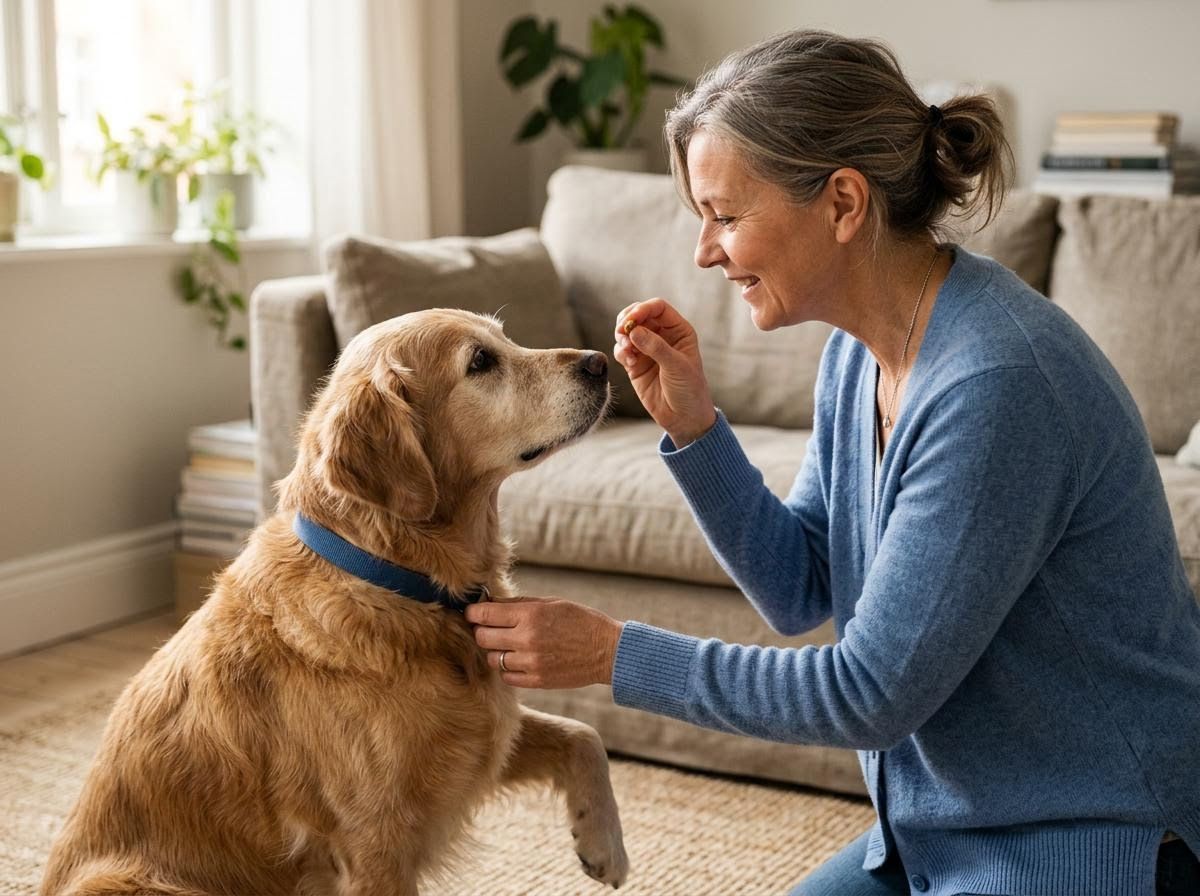
Training an older dog can be an incredibly rewarding experience, proving that it's never too late for a canine companion to learn new skills or refine existing ones. While puppies often take the spotlight in discussions about Texas dog training, senior dogs benefit immensely from mental stimulation, physical activity, and continued engagement. This continued learning can enhance their quality of life, strengthen your bond, and address any age-related behavioral changes with compassion and expertise. At United K9 Academy, we understand the unique journey of training an older dog and are here to guide you with insights and effective strategies.
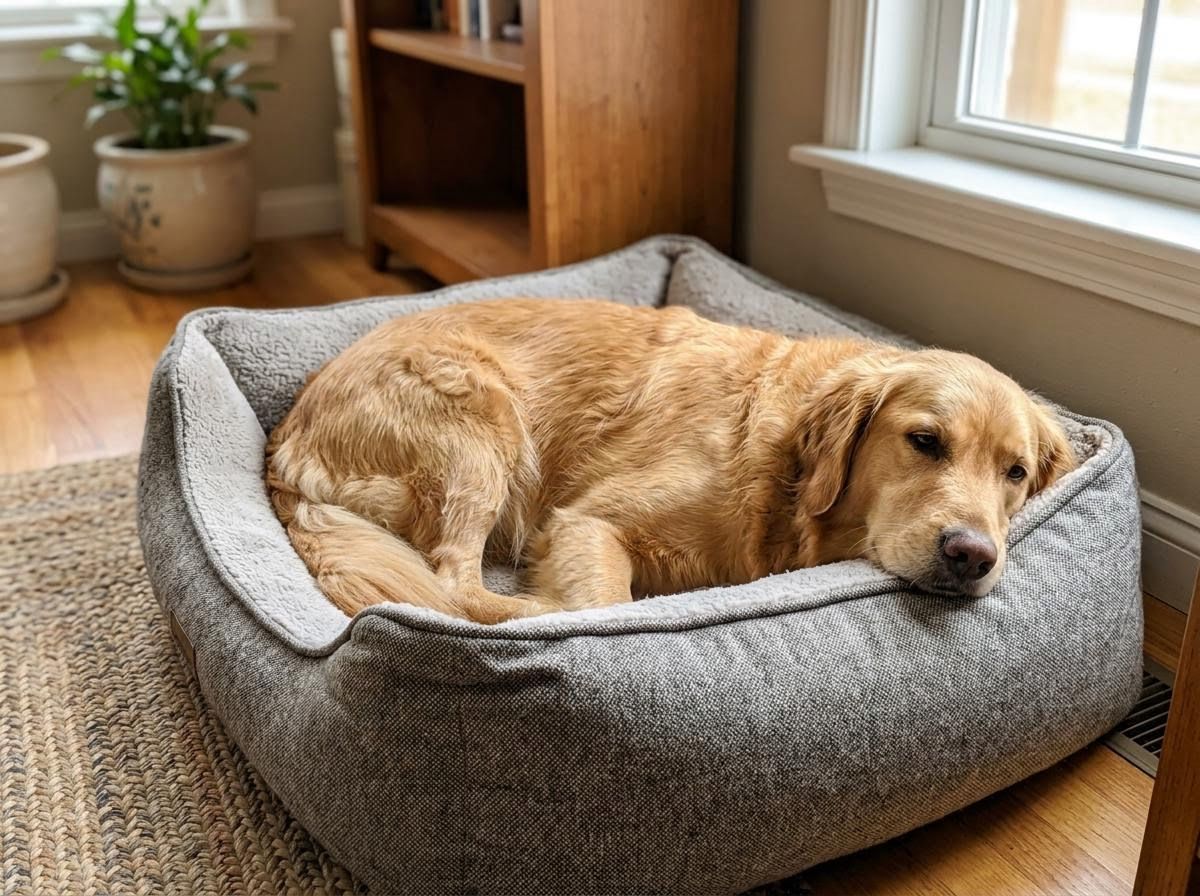
Understanding Your Senior Dog's Unique Needs
Before embarking on a training journey with an older dog, it's crucial to acknowledge and accommodate their changing physical and cognitive abilities. Senior dogs might experience joint pain, hearing loss, vision impairment, or cognitive decline, all of which can impact their learning process and comfort. A compassionate approach means adjusting expectations and methods; short, frequent training sessions are often more effective than long, strenuous ones. Positive reinforcement, using high-value treats and gentle praise, becomes even more paramount, as it keeps the experience enjoyable and reduces any potential stress or discomfort. Resilient trainers understand that patience is key, and adapting to your dog's pace ensures a successful and positive outcome for both of you.
Tailoring Training Approaches for Wisdom and Comfort
Effective dog obedience training for older dogs often requires a customized touch. If your senior companion is struggling with new concepts or revisiting old ones, consider private dog training. This one-on-one setting allows a professional to assess your dog's specific needs, physical limitations, and learning style, then create a personalized plan. For issues like house-soiling or anxiety that may emerge with age, a tailored approach can be incredibly effective in providing comfort and re-establishing routines. We focus on clear, consistent communication and modifying cues or signals to accommodate any sensory changes your dog might be experiencing.
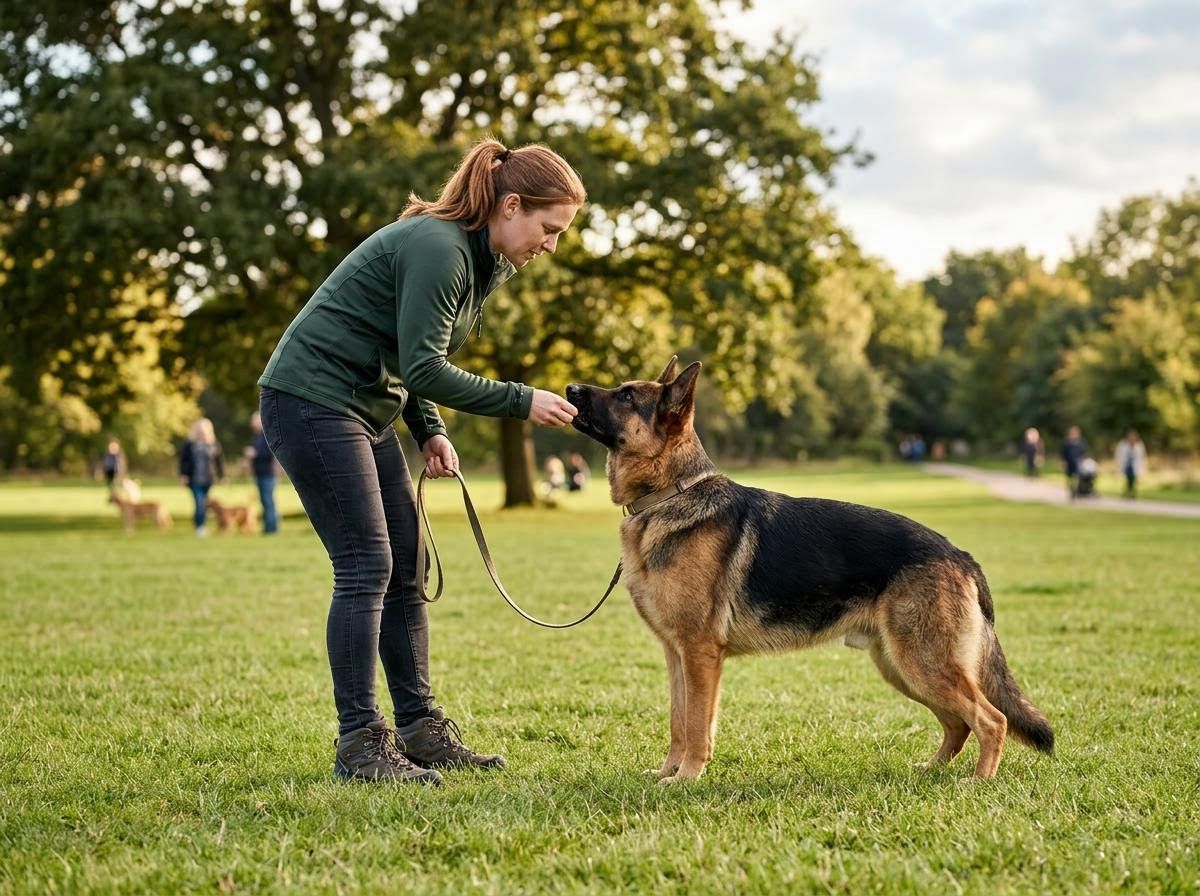
The Enduring Benefits of Lifelong Learning
Engaging your older dog in training offers far more than just teaching new commands; it provides vital mental stimulation that can help slow cognitive decline and keep their minds sharp. Just like humans, dogs thrive on purpose and interaction. Continuing their education, whether through simple trick training, practicing basic manners, or even participating in a relaxed group dog training class, enhances their overall well-being. It’s also an excellent way to maintain a strong, loving bond between you and your loyal companion.
Investing in your senior dog's continued training is a testament to the enduring love and commitment you share. It's about providing them with mental stimulation, maintaining their physical health, and ensuring their comfort and happiness in their golden years. With patience, understanding, and the right approach, older dogs can continue to learn, adapt, and enrich our lives!